THE ROOTLESS - WE WHO REMAIN
GRETHE LARSEN | 1947
Grethe Larsen, 61, grew up in Vejle, and after her confirmation, she found work in an artist group that travelled across Europe.
When she was 18, she fell head over heels in love with a man with whom she had two sons. They were married for 13 years before she discovered that her husband was unfaithful to her. They got divorced, and Grethe took a job in a sewing factory, where she sustained a serious work injury.
Later, her house burned down, and she became homeless and went to Copenhagen, where she lived in a women’s shelter in Hvidovre. It has not been possible to find Grethe again.
Grethe Larsen, 61, grew up in Vejle, and after her confirmation, she found work in an artist group that travelled across Europe.
When she was 18, she fell head over heels in love with a man with whom she had two sons. They were married for 13 years before she discovered that her husband was unfaithful to her. They got divorced, and Grethe took a job in a sewing factory, where she sustained a serious work injury.
Later, her house burned down, and she became homeless and went to Copenhagen, where she lived in a women’s shelter in Hvidovre. It has not been possible to find Grethe again.

PATRICK ZIMMERMAN | 1986
Patrick Zimmerman was born in Ishøj and became a painter in 2004. There were problems at home, and his parents threw him out when they thought he was old enough to provide for himself.
At first, Patrick lived with different friends and then in a reception centre where he lived for a year and found a girlfriend. In 2008, Patrick lived in DanChurchSocial’s shelter in Hillerødgade in Copenhagen, was addicted to weed and found it difficult to get on with his life.
Today Patrick works as a master painter in Northern Jutland, but it has not been possible for him to participate.
Patrick Zimmerman was born in Ishøj and became a painter in 2004. There were problems at home, and his parents threw him out when they thought he was old enough to provide for himself.
At first, Patrick lived with different friends and then in a reception centre where he lived for a year and found a girlfriend. In 2008, Patrick lived in DanChurchSocial’s shelter in Hillerødgade in Copenhagen, was addicted to weed and found it difficult to get on with his life.
Today Patrick works as a master painter in Northern Jutland, but it has not been possible for him to participate.

SØREN PEDERSEN | 1949-2014
Søren Pedersen grew up in a family of artists on Bornholm. When he was 19 years old, he went to Paris, where he met a group of musicians for whom he became manager.
Later, he travelled around the world as a dock worker, cook and waiter. He found a girlfriend and had two children in the early ’70s. The couple later split.
Søren was never good with money and generally spent more than he earned. For this reason, he was not able to pay his rent one day and ended up on the street. Søren died at the age of 65, the cause of death unknown.
Søren Pedersen grew up in a family of artists on Bornholm. When he was 19 years old, he went to Paris, where he met a group of musicians for whom he became manager.
Later, he travelled around the world as a dock worker, cook and waiter. He found a girlfriend and had two children in the early ’70s. The couple later split.
Søren was never good with money and generally spent more than he earned. For this reason, he was not able to pay his rent one day and ended up on the street. Søren died at the age of 65, the cause of death unknown.
.jpg)
FINN MAJLUND | 1965
Finn Majlund was born and raised in Frederikshavn. At the age of 12, he requested himself to be sent to a children’s home because his mother beat him. He needed to feel safe after having lived with her on his own for a few years after his parents’ divorce.
Later, his father died of cancer and his mother of a cerebral haemorrhage. Finn began drinking at the age of 14, and after he had finished school, he tried to survive working different jobs. After four years in the army and a prison stay for robbery, he became a trained floor fitter in 1989.
He travelled to Norway and got a job in a theme park, but returned to Denmark as a vagabond. Finn lived for many years as an alcoholic on the streets of Odense, but died in Esbjerg at the age of 53 of an overdose.
Finn Majlund was born and raised in Frederikshavn. At the age of 12, he requested himself to be sent to a children’s home because his mother beat him. He needed to feel safe after having lived with her on his own for a few years after his parents’ divorce.
Later, his father died of cancer and his mother of a cerebral haemorrhage. Finn began drinking at the age of 14, and after he had finished school, he tried to survive working different jobs. After four years in the army and a prison stay for robbery, he became a trained floor fitter in 1989.
He travelled to Norway and got a job in a theme park, but returned to Denmark as a vagabond. Finn lived for many years as an alcoholic on the streets of Odense, but died in Esbjerg at the age of 53 of an overdose.

AMANDA OLINE ROSENDAHL | 1994
Amanda Oline Rosendahl was born in Copenhagen, but at the age of five she moved to Langeland with her mother and her new husband. Amanda was often home alone because her mother worked at the pub.
Amanda could not live with her father who was manic-depressive, so she moved to Odense with her father’s friend. Amanda dropped out of school and returned to Copenhagen where she lived in random places all over the city.
In 2008, at 14 years old, she was living in a tent in ‘The Blue Garden’ near Åboulevarden in Copenhagen.
Amanda Oline Rosendahl was born in Copenhagen, but at the age of five she moved to Langeland with her mother and her new husband. Amanda was often home alone because her mother worked at the pub.
Amanda could not live with her father who was manic-depressive, so she moved to Odense with her father’s friend. Amanda dropped out of school and returned to Copenhagen where she lived in random places all over the city.
In 2008, at 14 years old, she was living in a tent in ‘The Blue Garden’ near Åboulevarden in Copenhagen.

AMANDA OLINE ROSENDAHL | 1994
All the adults I knew are dead now except for my sister and mother whom I hardly ever see. Instead of getting angry and giving up, I have become strong.
I’ve completed the 10th grade but have since been expelled from two technical colleges. Even though I’m only 27, I’ve always felt like I knew more about life than my classmates, and then all of a sudden, they were way ahead of me and had graduated. When I was at my lowest, I started skating and discovered that I have the skills to teach others how to skate. Today, I have my own flat in Valby and work as a sports pedagogue in a local youth club and as a skate instructor in Copenhagen Skatepark, and I also help plan the Danish Skateboarding Championship for women which I won myself in 2019.
When I look in the mirror today, I can tell that my body image has improved. I’ve always sought a kind of family life, first in the punk community and now in the skateboarding community. That’s what saved me. Otherwise I would’ve probably ended up as a pusher frau in Christiania. My dream is to start my own skater camp where I can teach those who can’t afford to go to the expensive camps that skating makes you believe in yourself.
All the adults I knew are dead now except for my sister and mother whom I hardly ever see. Instead of getting angry and giving up, I have become strong.
I’ve completed the 10th grade but have since been expelled from two technical colleges. Even though I’m only 27, I’ve always felt like I knew more about life than my classmates, and then all of a sudden, they were way ahead of me and had graduated. When I was at my lowest, I started skating and discovered that I have the skills to teach others how to skate. Today, I have my own flat in Valby and work as a sports pedagogue in a local youth club and as a skate instructor in Copenhagen Skatepark, and I also help plan the Danish Skateboarding Championship for women which I won myself in 2019.
When I look in the mirror today, I can tell that my body image has improved. I’ve always sought a kind of family life, first in the punk community and now in the skateboarding community. That’s what saved me. Otherwise I would’ve probably ended up as a pusher frau in Christiania. My dream is to start my own skater camp where I can teach those who can’t afford to go to the expensive camps that skating makes you believe in yourself.

JESPER ANDERSEN | 1989
Jesper Andersen was born in Odense. His childhood was marked by his parents’ alcoholism, and from the age of 6, he was practically taking care of himelf. When he was 13, he was placed into a foster family after his parents’ divorce and his mother’s death. He did not finish school and dropped out of production school as well.
For a short while, Jesper lived with his brother but then went on to live on the street. He found ‘Gaderummet’, a group home and drop-in centre in Copenhagen, where he lived for a year and a half. Today, Jesper Andersen is confined to his bed by a nerve disease. It has not been possible for him to participate.
Jesper Andersen was born in Odense. His childhood was marked by his parents’ alcoholism, and from the age of 6, he was practically taking care of himelf. When he was 13, he was placed into a foster family after his parents’ divorce and his mother’s death. He did not finish school and dropped out of production school as well.
For a short while, Jesper lived with his brother but then went on to live on the street. He found ‘Gaderummet’, a group home and drop-in centre in Copenhagen, where he lived for a year and a half. Today, Jesper Andersen is confined to his bed by a nerve disease. It has not been possible for him to participate.

GHEORGHE DUMITRACHE | 1976
Gheorghe Dumitrache lived in Buzau in Romania until his family home was destroyed by a natural disaster, causing him and his family to live with friends and relatives.
Gheorghe has three children, whom he cannot provide for. He came to Denmark to find a permanent job and a place to live.
He did not succeed in this, and so in 2008, the 32-year-old Gheorghe slept in different parks around Copenhagen. It has not been possible to find Gheorghe again.
Gheorghe Dumitrache lived in Buzau in Romania until his family home was destroyed by a natural disaster, causing him and his family to live with friends and relatives.
Gheorghe has three children, whom he cannot provide for. He came to Denmark to find a permanent job and a place to live.
He did not succeed in this, and so in 2008, the 32-year-old Gheorghe slept in different parks around Copenhagen. It has not been possible to find Gheorghe again.

MARIA THOMASSEN | 1972
Maria Thomassen grew up on Vesterbro in Copenhagen. Here she lived alone with her mother who was an alcoholic. Maria started smoking weed at 13.
She was sent off to a boarding school in Western Jutland, got a degree in office administration and then got her own flat. At 21, Maria returned to Copenhagen and became a drug addict. In this environment, she met Lee with whom she found peace and a kind of safety.
Later, Maria was diagnosed with HIV, and in 2008, she was living on the streets of Copenhagen with all her belongings in two baby carriages.
Maria Thomassen grew up on Vesterbro in Copenhagen. Here she lived alone with her mother who was an alcoholic. Maria started smoking weed at 13.
She was sent off to a boarding school in Western Jutland, got a degree in office administration and then got her own flat. At 21, Maria returned to Copenhagen and became a drug addict. In this environment, she met Lee with whom she found peace and a kind of safety.
Later, Maria was diagnosed with HIV, and in 2008, she was living on the streets of Copenhagen with all her belongings in two baby carriages.

MARIA THOMASSEN | 1972
Up until eight months, I mostly lived on the street, but now I live in subsidised housing in Tårnby. I couldn’t stand living in shelters and toilets anymore. Being a woman, I was constantly afraid. I’ve overdosed once where I was lucky enough to have some big bloke carry me around.
Now I snort about 600 kroners worth of cocaine each week and that saves me a great deal of money. In the past, I used to burgle and steal anything I could get my hands on. I use cocaine to get things done – laundry, for instance.
The people I meet leave their marks, and then there are all the track marks. I have scars all the way up and down my arms and legs, and I’ve only gone to the dentist once to get a tooth pulled out.
Today I have asthma, bronchitis and smoker’s lungs, but on the other hand, my HIV-virus is down to zero. Sometimes I get really down in the dumps and think that I’m going to die of HIV. You see, my friends from the street and my family are dead. All of them.
I’m 49, and I dream of living for as long as I possibly can now that I’m finally indoors. The most important thing for me these days is to stay alive.
Up until eight months, I mostly lived on the street, but now I live in subsidised housing in Tårnby. I couldn’t stand living in shelters and toilets anymore. Being a woman, I was constantly afraid. I’ve overdosed once where I was lucky enough to have some big bloke carry me around.
Now I snort about 600 kroners worth of cocaine each week and that saves me a great deal of money. In the past, I used to burgle and steal anything I could get my hands on. I use cocaine to get things done – laundry, for instance.
The people I meet leave their marks, and then there are all the track marks. I have scars all the way up and down my arms and legs, and I’ve only gone to the dentist once to get a tooth pulled out.
Today I have asthma, bronchitis and smoker’s lungs, but on the other hand, my HIV-virus is down to zero. Sometimes I get really down in the dumps and think that I’m going to die of HIV. You see, my friends from the street and my family are dead. All of them.
I’m 49, and I dream of living for as long as I possibly can now that I’m finally indoors. The most important thing for me these days is to stay alive.

DENNIS PATRICK KNUDSEN | 1964-2014
Dennis Patrick Knudsen was born in Nyboder in Copenhagen in a home with a violent father who beat both Dennis and his mother. When he was 19, he had had enough and threatened to kill his father if he continued.
The family disowned him, and Dennis chose to join the military for 3 years. When he returned, the love of his life had found someone else.
Dennis ended up on the street and was homeless for 25 years. Dennis died of blood clot at the age of 50.
Dennis Patrick Knudsen was born in Nyboder in Copenhagen in a home with a violent father who beat both Dennis and his mother. When he was 19, he had had enough and threatened to kill his father if he continued.
The family disowned him, and Dennis chose to join the military for 3 years. When he returned, the love of his life had found someone else.
Dennis ended up on the street and was homeless for 25 years. Dennis died of blood clot at the age of 50.

MICHAEL BOSERUP | 1973-2010
Michael Boserup grew up in a foster family on Djursland. He never got an education, but travelled around in Denmark for a few years where he found a girlfriend.
Michael did not make the conscious decision to live on the street. He was homeless for 13 years in total, but in 2008, he was diagnosed with sclerosis and moved into a care home in Odense.
He comitted suicide at 37.
Michael Boserup grew up in a foster family on Djursland. He never got an education, but travelled around in Denmark for a few years where he found a girlfriend.
Michael did not make the conscious decision to live on the street. He was homeless for 13 years in total, but in 2008, he was diagnosed with sclerosis and moved into a care home in Odense.
He comitted suicide at 37.

ANNI KÆRSHOLM FREDERIKSEN | 1946
Anni Kærsholm Frederiksen used to be a doctor’s wife and lived in a large house with cars and three children. When her loneliness became too much for her, she started drinking for comfort.
She divorced her husband after 32 years of marriage. Soon after this, Anni suffered cerebral hemorrhage. After she had been discharged, she received no support and started drinking again.
She struggled to pay her rent and ended up losing her flat. To begin with, she spent the nights in a shelter. Here she was raped.
In 2008, the 62-year-old Anni lived in a reception centre, and since then she got her own flat in Aarhus, but now she is back at the reception centre. Anni has been too sick to participate.
Anni Kærsholm Frederiksen used to be a doctor’s wife and lived in a large house with cars and three children. When her loneliness became too much for her, she started drinking for comfort.
She divorced her husband after 32 years of marriage. Soon after this, Anni suffered cerebral hemorrhage. After she had been discharged, she received no support and started drinking again.
She struggled to pay her rent and ended up losing her flat. To begin with, she spent the nights in a shelter. Here she was raped.
In 2008, the 62-year-old Anni lived in a reception centre, and since then she got her own flat in Aarhus, but now she is back at the reception centre. Anni has been too sick to participate.

DION CHRISTIANSEN | 1983-2012
Dion Christiansen is from Glostrup. He grew up with a sick mother and lived with a foster family most of the time. Dion’s mother died when he was 11 years old. After that, he struggled in school, but when he, as a 17-year-old, was accepted to the film and theatre school Holberg, he began to feel a sense of success.
At the age of 19, Dion went travelling, but when he returned home, he had no place to live and ended up on the street. He was later hospitalised due to a drug-induced psychosis. Later he rented a room, but was kicked out, and in 2008, he was living on the street.
Dion died of an overdose at 27.
Dion Christiansen is from Glostrup. He grew up with a sick mother and lived with a foster family most of the time. Dion’s mother died when he was 11 years old. After that, he struggled in school, but when he, as a 17-year-old, was accepted to the film and theatre school Holberg, he began to feel a sense of success.
At the age of 19, Dion went travelling, but when he returned home, he had no place to live and ended up on the street. He was later hospitalised due to a drug-induced psychosis. Later he rented a room, but was kicked out, and in 2008, he was living on the street.
Dion died of an overdose at 27.

LEE HØGSBERG | 1969
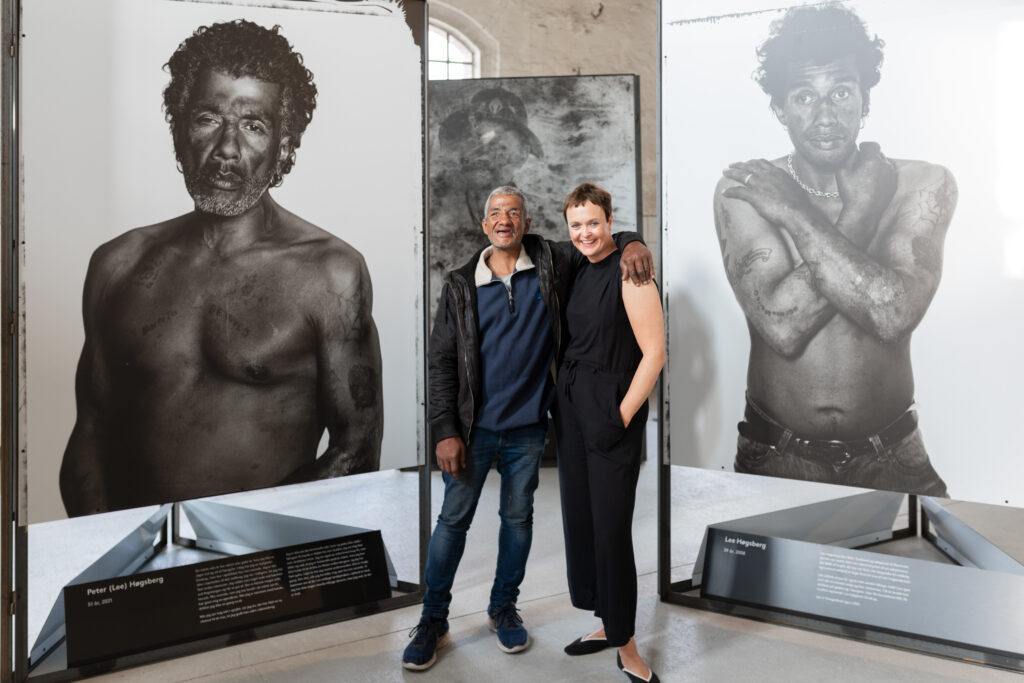
Lee Høgsberg, 39, was born in Germany but was adopted by a Danish family when he was one month old. He was very close to his mother who died of cancer when Lee was 14.
Out of a sense of powerlessness, he turned to violence and crime. Lee went sailing for a couple of years, and when he returned, he fell back into the criminal environment and became a drug addict.
For 16 years, Lee lived alternately on the street and in prisons. He was diagnosed with HIV, and in 2008, he was living in a flat in Emdrup.
Lee Høgsberg, 39, was born in Germany but was adopted by a Danish family when he was one month old. He was very close to his mother who died of cancer when Lee was 14.
Out of a sense of powerlessness, he turned to violence and crime. Lee went sailing for a couple of years, and when he returned, he fell back into the criminal environment and became a drug addict.
For 16 years, Lee lived alternately on the street and in prisons. He was diagnosed with HIV, and in 2008, he was living in a flat in Emdrup.

LEE HØGSBERG | 1969
The past six years have been good years, where I haven’t been in and out of jail. Today I’m 51, and I have a flat in Emdrup, but I’m currently staying with a lady friend.
I’m nowhere near the kind of drug abuse I had before, because I have other interests now. I usually sit on the bench down by the flagpole and have a few beers. It’s actually very peaceful out here.
My friend has really opened my eyes. When I’m with her, I don’t even drink.
I’ve been given a second chance to prove that I can manage without the drugs on the side. I’m not involved in crime anymore, and I don’t want to be in prison.
I’m fit for my age and know that I’m bloody strong mentally. But I can’t drink a whole bottle of vodka anymore, and I have dentures. I’ve lost the lower teeth at the moment. It’s the third time now. It happens whenever I stray away from my friend.
We dream of living on an old farm somewhere in Jutland. I don’t have any family left over there, but I know it would be great.
The past six years have been good years, where I haven’t been in and out of jail. Today I’m 51, and I have a flat in Emdrup, but I’m currently staying with a lady friend.
I’m nowhere near the kind of drug abuse I had before, because I have other interests now. I usually sit on the bench down by the flagpole and have a few beers. It’s actually very peaceful out here.
My friend has really opened my eyes. When I’m with her, I don’t even drink.
I’ve been given a second chance to prove that I can manage without the drugs on the side. I’m not involved in crime anymore, and I don’t want to be in prison.
I’m fit for my age and know that I’m bloody strong mentally. But I can’t drink a whole bottle of vodka anymore, and I have dentures. I’ve lost the lower teeth at the moment. It’s the third time now. It happens whenever I stray away from my friend.
We dream of living on an old farm somewhere in Jutland. I don’t have any family left over there, but I know it would be great.

MITZI JULENDAL | 1986-2012
Mitzi Julendal was from Copenhagen and grew up in a family with an alcoholic father. As a 9-year-old, she moved in with an elderly woman, and here she found the love and care she did not receive from her parents.
When the woman died of a heart attack, Mitzi was placed with a Christian foster family where her friends were not allowed to visit. Later, she was sent to an independent school, but she soon lost interest in her surroundings when she started taking drugs.
In 2008, she lived in different places; in shelters, a car and on the street. Mitzi died of an overdose at the age of 26.
Mitzi Julendal was from Copenhagen and grew up in a family with an alcoholic father. As a 9-year-old, she moved in with an elderly woman, and here she found the love and care she did not receive from her parents.
When the woman died of a heart attack, Mitzi was placed with a Christian foster family where her friends were not allowed to visit. Later, she was sent to an independent school, but she soon lost interest in her surroundings when she started taking drugs.
In 2008, she lived in different places; in shelters, a car and on the street. Mitzi died of an overdose at the age of 26.

ROCKY | 2008-2015
Rocky was Johnny Gram’s and Bettina Borregaard’s dog.
He had arthritis and was put to sleep.
Rocky was Johnny Gram’s and Bettina Borregaard’s dog.
He had arthritis and was put to sleep.
.jpg)
BAILEY | 2015
Bailey is Johnny Dam Gram’s dog.
Bailey is Johnny Dam Gram’s dog.

GIOACCHINO LO EASELO | 1975
Gioacchino Lo Easelo, 33, came to Denmark in 2002 and worked as a waiter in a restaurant. He lost his job and went back home to Sicily but found no work, and so, he returned to Denmark.
Gioacchino did not manage to find a job. In 2008, he spent his nights in a shelter in Stengade in Copenhagen.
It has not been possible to find Gioacchino again.
Gioacchino Lo Easelo, 33, came to Denmark in 2002 and worked as a waiter in a restaurant. He lost his job and went back home to Sicily but found no work, and so, he returned to Denmark.
Gioacchino did not manage to find a job. In 2008, he spent his nights in a shelter in Stengade in Copenhagen.
It has not been possible to find Gioacchino again.

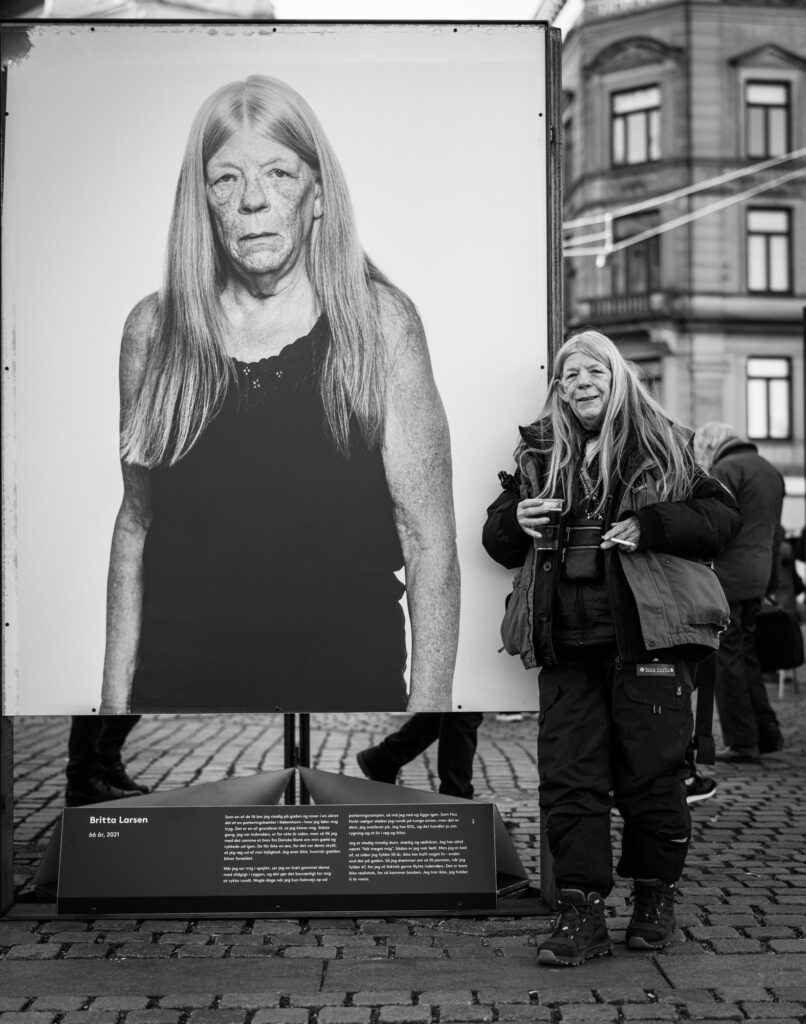
BRITTA LARSEN | 1956
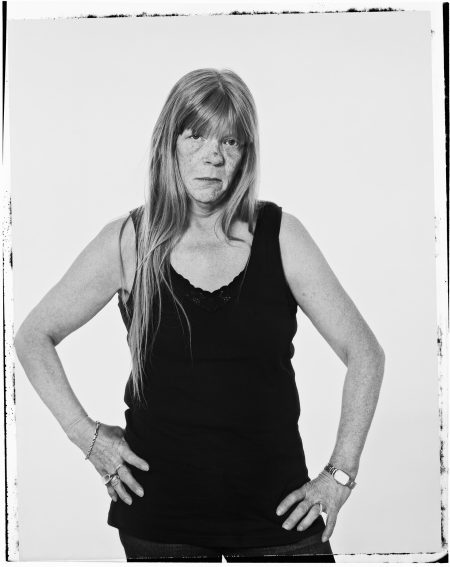
Britta Larsen grew up with five siblings in a working-class home in Fredriksberg in Copenhagen. It was a happy family even though they lived under difficult conditions, but there was never any peace to do homework and enjoy some quiet time alone.
For this reason, Britta started working as a live-in maid when she was 15, and after that, she worked at the Heidelberg vinegar factory. She had a son when she was 21.
The father left them, but she managed on her own. In 1999, she was out of work, went on social security and could not pay her bank loans or rent. In 2008, the 52-year-old Britta was living on the street.
Britta Larsen grew up with five siblings in a working-class home in Fredriksberg in Copenhagen. It was a happy family even though they lived under difficult conditions, but there was never any peace to do homework and enjoy some quiet time alone.
For this reason, Britta started working as a live-in maid when she was 15, and after that, she worked at the Heidelberg vinegar factory. She had a son when she was 21.
The father left them, but she managed on her own. In 1999, she was out of work, went on social security and could not pay her bank loans or rent. In 2008, the 52-year-old Britta was living on the street.
BRITTA LARSEN | 1956
I still live on the street and sleep in a secured part of an underground parking facility in Copenhagen where I feel safe. That’s one of the reason I get by. The last time I was indoors was eight years ago, but then I immediately got a letter from Danske Bank about my debts and moved out again. They won’t get a penny, because it’s their fault I was evicted from my flat in the first place. I have no idea when the debt will be out of date.
I’m still quite stupid, stubborn and red-headed. I’ve always been ‘a little too much myself’. I was probably born that way. But I’m also a tired old lady at 66 with osteoarthritis in my back which makes it difficult for me to move about. Some days, I only make it halfway up the parking ramp, before I have to lie down again. You see, as a street paper seller, I carry around all these heavy papers but that’s how I survive.
Since I turned 50, I’ve known no other life than the one on the street. I’m sad about that. I dream of getting my pension when I turn 67, because I would actually like to move indoors. It’s just not realistic, because then the bank will show up.
I still live on the street and sleep in a secured part of an underground parking facility in Copenhagen where I feel safe. That’s one of the reason I get by. The last time I was indoors was eight years ago, but then I immediately got a letter from Danske Bank about my debts and moved out again. They won’t get a penny, because it’s their fault I was evicted from my flat in the first place. I have no idea when the debt will be out of date.
I’m still quite stupid, stubborn and red-headed. I’ve always been ‘a little too much myself’. I was probably born that way. But I’m also a tired old lady at 66 with osteoarthritis in my back which makes it difficult for me to move about. Some days, I only make it halfway up the parking ramp, before I have to lie down again. You see, as a street paper seller, I carry around all these heavy papers but that’s how I survive.
Since I turned 50, I’ve known no other life than the one on the street. I’m sad about that. I dream of getting my pension when I turn 67, because I would actually like to move indoors. It’s just not realistic, because then the bank will show up.

PETER BAK DALSTRAND / ‘RØDE ORM’ (RED WORM) | 1967-2020
Peter Bak Dalstrand was from Ballerup. For eight years, he worked as a zookeeper at the Copenhagen Zoo and lived with his girlfriend and two children on a large property on Zealand surrounded by animals and fields.
When Peter was 30, the couple broke up. Peter ended up on the street, where he drank heavily. He died of covid-19 at the age of 53.
Peter Bak Dalstrand was from Ballerup. For eight years, he worked as a zookeeper at the Copenhagen Zoo and lived with his girlfriend and two children on a large property on Zealand surrounded by animals and fields.
When Peter was 30, the couple broke up. Peter ended up on the street, where he drank heavily. He died of covid-19 at the age of 53.

CAROL LARSEN | 1957
Carol Larsen, 51, is Britta Larsen’s younger brother. He lived at home until he was 21 years old and never got an education but has had different jobs in warehouses and factories.
Carol was never one to put up with anything, and so, he found it difficult to get references from his previous jobs. He became unemployed, started drinking and lost his unemployment benefits and his flat.
In 2004, he ended up on the street, where he managed to get by in the following years.
Carol Larsen, 51, is Britta Larsen’s younger brother. He lived at home until he was 21 years old and never got an education but has had different jobs in warehouses and factories.
Carol was never one to put up with anything, and so, he found it difficult to get references from his previous jobs. He became unemployed, started drinking and lost his unemployment benefits and his flat.
In 2004, he ended up on the street, where he managed to get by in the following years.

CAROL LARSEN | 1957
For the past ten years, I have been pottering about alone in my flat on the fifth floor in the Copenhagen’s South Harbour. God knows what I’ve been doing. I have my houseplants and tomato plants on the balcony, and I’m in activation in the City Gardens.
You have to be in order to get social security. I don’t cough anymore, but I don’t walk as well as I used to, and I smoke about 35 hand-rolled a day and drink 10-12 beers a day. It’s not so bad when you enjoy your own company. But I could use a girlfriend, I just don’t know where to find one. Should get on Tinder and write: ‘Boring old bugger seeks girlfriend between 18 and 95’?
When I look at myself in the mirror, I see a red-haired 64-year-old idiot with hardened arteries and a set of teeth that’s gone to hell. I might end up with dentures, but I don’t do anything about it, because I’m stubborn and proud.
With the way I’m feeling now, I think I’ll live to 100. The people I met on the street 20 years ago are gone. I moved indoors as soon as I could before it was my turn. I dream of becoming a pensioner and of the pandemic to be over, because I would like to go and see the world, Thailand for example.
For the past ten years, I have been pottering about alone in my flat on the fifth floor in the Copenhagen’s South Harbour. God knows what I’ve been doing. I have my houseplants and tomato plants on the balcony, and I’m in activation in the City Gardens.
You have to be in order to get social security. I don’t cough anymore, but I don’t walk as well as I used to, and I smoke about 35 hand-rolled a day and drink 10-12 beers a day. It’s not so bad when you enjoy your own company. But I could use a girlfriend, I just don’t know where to find one. Should get on Tinder and write: ‘Boring old bugger seeks girlfriend between 18 and 95’?
When I look at myself in the mirror, I see a red-haired 64-year-old idiot with hardened arteries and a set of teeth that’s gone to hell. I might end up with dentures, but I don’t do anything about it, because I’m stubborn and proud.
With the way I’m feeling now, I think I’ll live to 100. The people I met on the street 20 years ago are gone. I moved indoors as soon as I could before it was my turn. I dream of becoming a pensioner and of the pandemic to be over, because I would like to go and see the world, Thailand for example.

SABINA LENNART | 1963
Sabina Lennart, 45, was born in Greenland but came to Denmark as a 5-year-old. She lived a chaotic life with her mother and finally ended up in a children’s home.
Sabina dreamt of becoming a dental technician but no one supported her, and so, she never got an education. She had her first child when she was 25 and since then she has had four more children with different men.
When her last husband left her, she was on her own with all the children. This was more than she could cope with, and she ended up on the street. Her children were raised by different foster families.
After five years on the street, Sabina got a flat, but she could not stand being there. In 2008, she spent the nights on the street or in shelters around the city. It has not been possible to find Sabina again.
Sabina Lennart, 45, was born in Greenland but came to Denmark as a 5-year-old. She lived a chaotic life with her mother and finally ended up in a children’s home.
Sabina dreamt of becoming a dental technician but no one supported her, and so, she never got an education. She had her first child when she was 25 and since then she has had four more children with different men.
When her last husband left her, she was on her own with all the children. This was more than she could cope with, and she ended up on the street. Her children were raised by different foster families.
After five years on the street, Sabina got a flat, but she could not stand being there. In 2008, she spent the nights on the street or in shelters around the city. It has not been possible to find Sabina again.

MICHAEL ELIASSEN | 1975
Michael Eliassen is from Aarhus. When he was 11, he got a baby sister, and he felt that she became the centre of their parents’ attention. Michael began drinking hard liquors and smoking joints.
His friend’s father, who was a drug addict and alcoholic, took care of him and introduced him to that world. When his friend died, Michael lost all his sense of joy in life and started taking heroin.
He later began training as a chef, but the crime and the drugs had too strong a hold on him. After a stay in prison, he met a Christian woman, but Michael chose to return to the streets of Copenhagen in 2008 at the age of 33. It has not been possible to find Michael.
Michael Eliassen is from Aarhus. When he was 11, he got a baby sister, and he felt that she became the centre of their parents’ attention. Michael began drinking hard liquors and smoking joints.
His friend’s father, who was a drug addict and alcoholic, took care of him and introduced him to that world. When his friend died, Michael lost all his sense of joy in life and started taking heroin.
He later began training as a chef, but the crime and the drugs had too strong a hold on him. After a stay in prison, he met a Christian woman, but Michael chose to return to the streets of Copenhagen in 2008 at the age of 33. It has not been possible to find Michael.

KURT HOLM CHRISTENSEN | 1946-2008
Kurt Holm Christensen lived in Copenhagen his whole life. For many years, he worked as a lorry driver and at Carlsberg. He had a wife and three children, but after 18 years of marriage, he got divorced and ended up on the street.
Both of his legs were amputated due to gangrene after suffering a blood clot in 1993. Kurt lived on the street for 15 years and died at 62.
Kurt Holm Christensen lived in Copenhagen his whole life. For many years, he worked as a lorry driver and at Carlsberg. He had a wife and three children, but after 18 years of marriage, he got divorced and ended up on the street.
Both of his legs were amputated due to gangrene after suffering a blood clot in 1993. Kurt lived on the street for 15 years and died at 62.
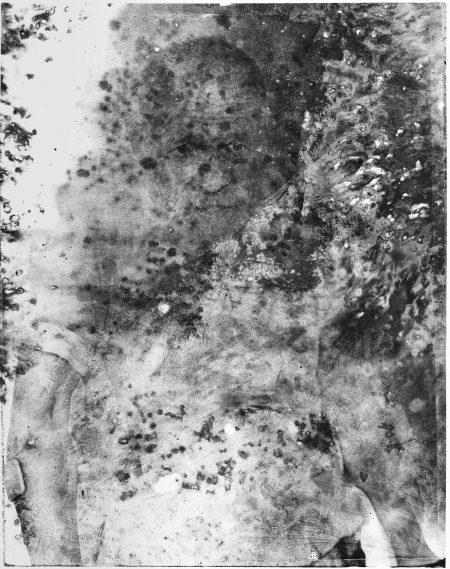
LILLIAN THELIN
Lillian Thelin grew up on Amager with her parents. When her mother died, her father was not capable of taking care of the children, so she and her sisters went to stay in a boarding house for a few years.
Later she met a man from Greenland with whom she had a daughter. Due to drinking, rows and noise in their home, their daughter was removed after one and a half month.
Lillian and her husband were evicted from their flat around the same time and were living on the street in 2008.
Lillian died at 47, the cause of death unknown.
Lillian Thelin grew up on Amager with her parents. When her mother died, her father was not capable of taking care of the children, so she and her sisters went to stay in a boarding house for a few years.
Later she met a man from Greenland with whom she had a daughter. Due to drinking, rows and noise in their home, their daughter was removed after one and a half month.
Lillian and her husband were evicted from their flat around the same time and were living on the street in 2008.
Lillian died at 47, the cause of death unknown.

PALLE LARSEN | 1959-2009
Palle Larsen was born and raised in Copenhagen. When he was 14 years old, Palle’s parents got divorced. He refused to side with either of his parents, so instead he left home and went to live with friends and in shelters.
Palle became a radio mechanic and sailed with the EAC. In 2000, he served a prison sentence, and after he was released, he lived on the street for six and a half years.
He was an alcoholic, and although he was assigned subsidised housing in Valby, he often returned to the street, where he spent the nights.
Palle died at 50 after many years of drug abuse.
Palle Larsen was born and raised in Copenhagen. When he was 14 years old, Palle’s parents got divorced. He refused to side with either of his parents, so instead he left home and went to live with friends and in shelters.
Palle became a radio mechanic and sailed with the EAC. In 2000, he served a prison sentence, and after he was released, he lived on the street for six and a half years.
He was an alcoholic, and although he was assigned subsidised housing in Valby, he often returned to the street, where he spent the nights.
Palle died at 50 after many years of drug abuse.

JOHNNY DAM GRAM AND BETTINA BORREGAARD | 1968 and 1980
Johnny Dam Gram, 40, grew up in Tåstrup spent the first ten years of his life living with his single, alcoholic mother. The problems at home became so serious that he ran away when he was 15 and lived on the street for two years.
He started smoking weed and taking hard drugs, and he went to prison several times for theft. When Johnny entered a methadone treatment program, he met his girlfriend Bettina and worked various minor jobs.
Bettina Borregaard, 28, grew up in Copenhagen. She had a good upbringing, but she was tired of school and bored and soon began smoking weed. Later, she was introduced to heroin and became addicted.
She lived a turbulent life, but when she was 25, she decided to stop and get help. She met Johnny in a substance abuse centre and the two of them were together in 2008.
Johnny Dam Gram, 40, grew up in Tåstrup spent the first ten years of his life living with his single, alcoholic mother. The problems at home became so serious that he ran away when he was 15 and lived on the street for two years.
He started smoking weed and taking hard drugs, and he went to prison several times for theft. When Johnny entered a methadone treatment program, he met his girlfriend Bettina and worked various minor jobs.
Bettina Borregaard, 28, grew up in Copenhagen. She had a good upbringing, but she was tired of school and bored and soon began smoking weed. Later, she was introduced to heroin and became addicted.
She lived a turbulent life, but when she was 25, she decided to stop and get help. She met Johnny in a substance abuse centre and the two of them were together in 2008.

JOHNNY DAM GRAM | 1968
Six years ago I met my wife who I live with today in a flat in Varde near her daughter’s foster family. We have visitation rights every third week. I’m still in replacement therapy and haven’t been using in the past eight years. After Bettina and I split up, I was alone with my dog for a while, found a bit of peace and started working as a carpenter. Today I’m 53 and work as a gardener.
I smile to myself every morning, because now I have a bonus daughter! That’s the greatest thing that has happened to me. Getting away from my former environment has matured me. Now I’m 12 kilos heavier and weigh nearly 70 kilos. It has given me a lot of strength, self-confidence and zest for life.
My life on the street hasn’t left any psychological scars, but I have no veins left because I used to shoot up all the time, and now I have an upper dental plate and just a few stumps left in my lower jaw. I think a lot about my diet, I work out and regularly go to see my doctor, who tells me that I’m one of the healthiest seniors he has ever seen. I dream of getting a lorry driving license because I love driving. And then I just want to enjoy our child now that she is here, and then I care a lot about our dogs.
Six years ago I met my wife who I live with today in a flat in Varde near her daughter’s foster family. We have visitation rights every third week. I’m still in replacement therapy and haven’t been using in the past eight years. After Bettina and I split up, I was alone with my dog for a while, found a bit of peace and started working as a carpenter. Today I’m 53 and work as a gardener.
I smile to myself every morning, because now I have a bonus daughter! That’s the greatest thing that has happened to me. Getting away from my former environment has matured me. Now I’m 12 kilos heavier and weigh nearly 70 kilos. It has given me a lot of strength, self-confidence and zest for life.
My life on the street hasn’t left any psychological scars, but I have no veins left because I used to shoot up all the time, and now I have an upper dental plate and just a few stumps left in my lower jaw. I think a lot about my diet, I work out and regularly go to see my doctor, who tells me that I’m one of the healthiest seniors he has ever seen. I dream of getting a lorry driving license because I love driving. And then I just want to enjoy our child now that she is here, and then I care a lot about our dogs.

BETTINA BORREGAARD | 1980
The last 13 years of my life I have spent just trying to survive. I’m currently staying at my ex-boyfriend’s place in Kalundborg, because I was evicted from the subsidised housing I was borrowing from a friend. I still get my methadone, drink vodka and shoot up on the methadone once a week. That calms me down.
I don’t feel so good. The past few years have made me a lot older than I actually am. I’m 42 now, and I feel tired, and I have little scars on my arms and legs, so I never wear shorts. The only place I can shoot up now is the root of my thumb. My teeth aren’t doing too great either, I’m missing all the ones in my upper jaw. My ex-boyfriend who passed away a year ago beat me up and broke my ribs, and because of this I’ve been hospitalised several times. That’s why I don’t walk so well these days. I was with him at the hospital until the end.
I dream of getting housing, so I can stabilise myself and take better care of my cat. It’s black and called Kinte – like Kunta Kinte from Roots, which was my mother’s favourite TV-show. I’m going to try and go to the council. They must be able to help me somehow.
The last 13 years of my life I have spent just trying to survive. I’m currently staying at my ex-boyfriend’s place in Kalundborg, because I was evicted from the subsidised housing I was borrowing from a friend. I still get my methadone, drink vodka and shoot up on the methadone once a week. That calms me down.
I don’t feel so good. The past few years have made me a lot older than I actually am. I’m 42 now, and I feel tired, and I have little scars on my arms and legs, so I never wear shorts. The only place I can shoot up now is the root of my thumb. My teeth aren’t doing too great either, I’m missing all the ones in my upper jaw. My ex-boyfriend who passed away a year ago beat me up and broke my ribs, and because of this I’ve been hospitalised several times. That’s why I don’t walk so well these days. I was with him at the hospital until the end.
I dream of getting housing, so I can stabilise myself and take better care of my cat. It’s black and called Kinte – like Kunta Kinte from Roots, which was my mother’s favourite TV-show. I’m going to try and go to the council. They must be able to help me somehow.

The Rootless – We Who Remain
In the early winter of 2008, I walked through the streets and parks of Copenhagen and visited shelters and reception centres. Here, I met people who existed on the edge of life. People who were moving, tough, eccentric, hardened, tender and fragile, and who forced me to face a reality which I had preferred to know nothing about, but which intrigued me nonetheless.
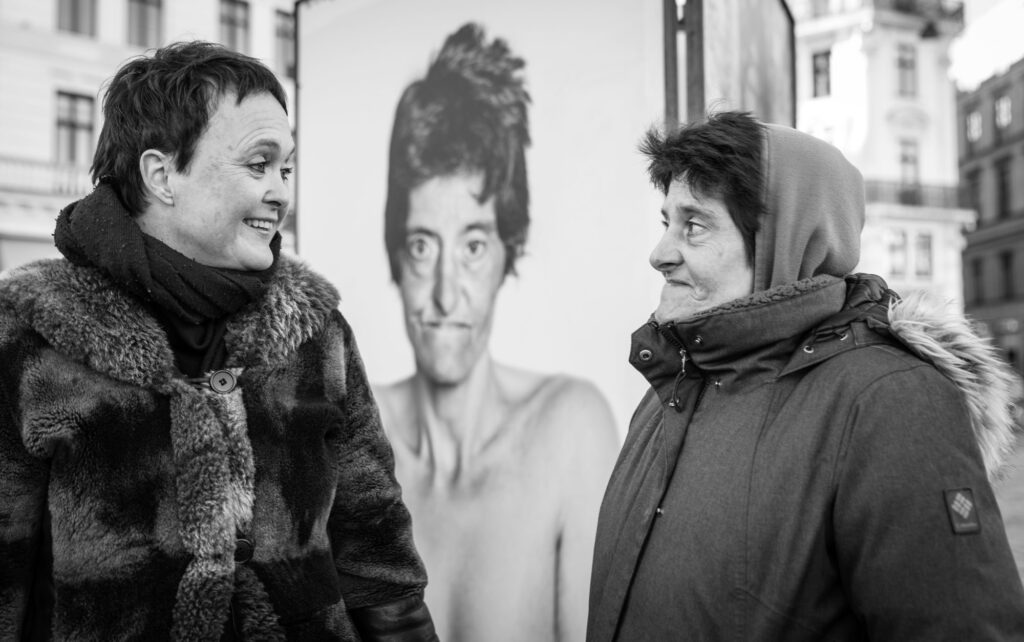
My meetings with these 30 homeless who had been pushed out of their homes and out of society became the beginning of the project called The Rootless. The result became a series of portraits that told the stories of the lives behind the faces we meet in the streets or in front of the supermarket. These were stories of people whose lives had been disastrously changed by unfortunate actions or conditions of life. The one thing that these people had in common was that they all lived on the street and were fighting their way through life one day at a time.
Thirteen years later, I’ve returned to find out what has become of the homeless, since I photographed them in 2008.
In the early winter of 2008, I walked through the streets and parks of Copenhagen and visited shelters and reception centres. Here, I met people who existed on the edge of life. People who were moving, tough, eccentric, hardened, tender and fragile, and who forced me to face a reality which I had preferred to know nothing about, but which intrigued me nonetheless.
My meetings with these 30 homeless who had been pushed out of their homes and out of society became the beginning of the project called The Rootless. The result became a series of portraits that told the stories of the lives behind the faces we meet in the streets or in front of the supermarket. These were stories of people whose lives had been disastrously changed by unfortunate actions or conditions of life. The one thing that these people had in common was that they all lived on the street and were fighting their way through life one day at a time.
Thirteen years later, I’ve returned to find out what has become of the homeless, since I photographed them in 2008.
As a photographer, I’m interested in seeing how time affects the human body. How it’s reflected in a person’s face, and the traces it leaves behind. How does the passing of time shape us physically and mentally? And not just the homeless, but me as well, as my gaze has changed during the years that have gone by.
It has been a moving experience, tracking down those who remain. Far too many times, I’ve been told that the person I was looking for had died – either of an overdose, alcohol or suicide. Or that they were too sick to participate. The news of their fates affected me every time. The wasted opportunities. The lives cut short. Out of the thirty homeless I photographed in 2008, thirteen are no longer with us. Four are currently too sick to participate. Six have been impossible to find. Seven people I managed to trace and photograph again.
Inviting the homeless into my studio from the city benches and placing them in front of my camera transformed them. Sometimes the changes were subtle, other times surprising. There was always a transformation. They took themselves seriously with a strength I had not expected, and I’m moved by the way they felt seen as people – and not just as anonymous figures.
It has been a moving experience, tracking down those who remain. Far too many times, I’ve been told that the person I was looking for had died – either of an overdose, alcohol or suicide. Or that they were too sick to participate. The news of their fates affected me every time. The wasted opportunities. The lives cut short. Out of the thirty homeless I photographed in 2008, thirteen are no longer with us. Four are currently too sick to participate. Six have been impossible to find. Seven people I managed to trace and photograph again.
Inviting the homeless into my studio from the city benches and placing them in front of my camera transformed them. Sometimes the changes were subtle, other times surprising. There was always a transformation. They took themselves seriously with a strength I had not expected, and I’m moved by the way they felt seen as people – and not just as anonymous figures.

The studio became neutral territory. It wasn’t their familiar surroundings, and it wasn’t my home. Within this space emerged the opportunity for genuine contact. Without words, but through their posture, their gaze and focus, they were capable of communicating something essential that bridged the gap between two different worlds.
The Rootless – We Who Remain is a combination of my previous portraits from 2008 placed side by side with my new portraits of the homeless who are still alive today, and whom I have been able to trace. The dead are also represented with new photographs. The original negatives of their portraits were buried in the ground for several months and were then further dissolved through a chemical process. The transformed negatives have then been scanned and enlarged. These new portraits are now characterised by meaningful traces left by the passing of time in their absence as well as the disintegration of their faces and bodies. To me this captures the transitoriness of life and the much too short lives of the homeless.
Helga Theilgaard
Photographer
The Rootless – We Who Remain is a combination of my previous portraits from 2008 placed side by side with my new portraits of the homeless who are still alive today, and whom I have been able to trace. The dead are also represented with new photographs. The original negatives of their portraits were buried in the ground for several months and were then further dissolved through a chemical process. The transformed negatives have then been scanned and enlarged. These new portraits are now characterised by meaningful traces left by the passing of time in their absence as well as the disintegration of their faces and bodies. To me this captures the transitoriness of life and the much too short lives of the homeless.
Helga Theilgaard
Photographer